MIM combines plastic molding, polymer chemistry, powder metallurgy and metal materials science to rapidly produce high-density, high-precision, complex 3D structural parts in volume.
| Material System | Representative Grades | Typical Applications |
|---|---|---|
| Low-alloy steel / stainless steel | MC 4605 / MC 2700 / MC 2200; MC 17-4PH / MC 304 / MC 316 / MC 430 / MC 420 / MC 440 / high-nitrogen nickel-free SS | Medical devices, IT electronics, corrosion-resistant & automotive parts |
| Soft magnetic materials | Fe-50Ni, Fe-3Si; copper alloys (Copper / Bronze) | Electromagnetic & inductive components |
| Low thermal-expansion alloys | Invar, Kovar | Electronic packaging, precision instruments |
| Titanium alloys | CP-Ti, Ti-6Al-4V (TC4) | Medical implants, wearables, lightweight structures |
| Tungsten-based alloys | MC 5351 W-Ni-Cu / MC 5352 W-Ni-Fe / W-Cu | Counterweights, shielding, electronic packaging |
| Copper-based alloys | Copper series | Thermal & electrical conductive parts |
| Cemented carbide / ceramics | Carbide, SiC, Si₃N₄, Al₂O₃, ZrO₂ | Wear-resistant, special-duty parts |
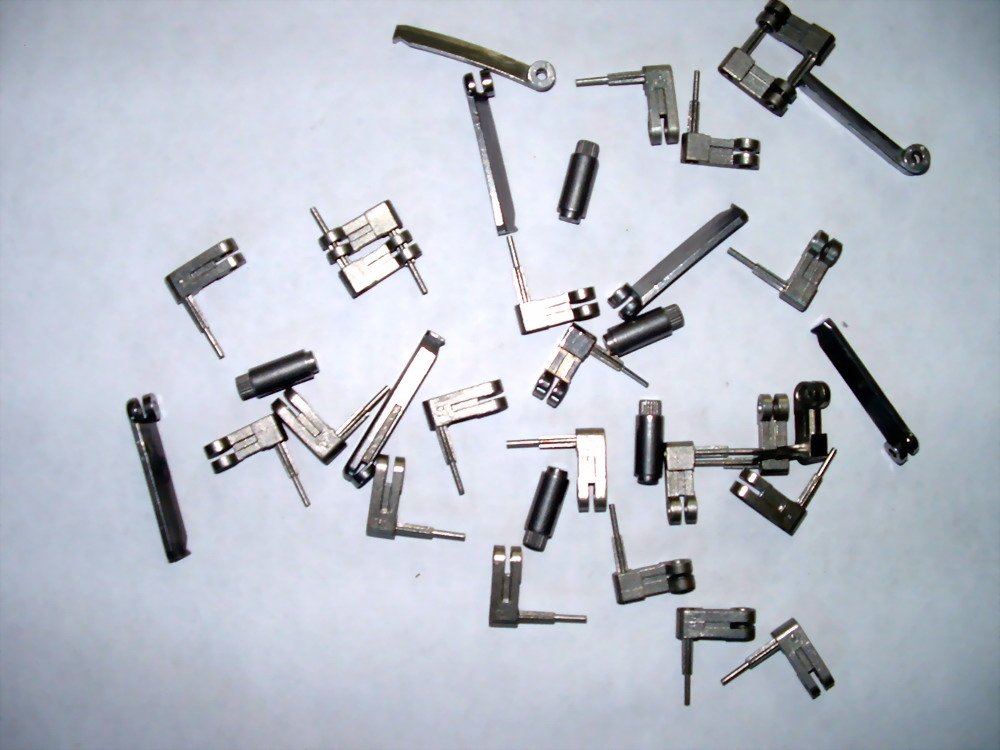
Corrosion-resistant precision components for medical, food and precision equipment.

Hardware connectors, automotive rack teeth and complex geometries; density up to 7.68 g/cm³.

High-density counterweights, shielding and sinkers with density above 99.5% of theoretical.
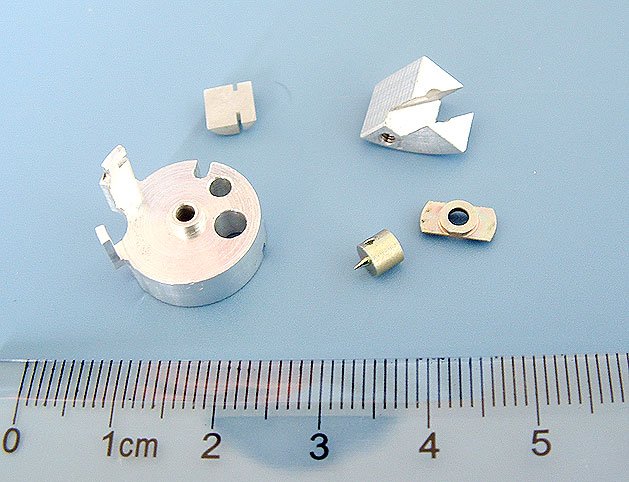
Miniature thin-wall complex parts, key tolerance ±0.01 mm, volume delivery.
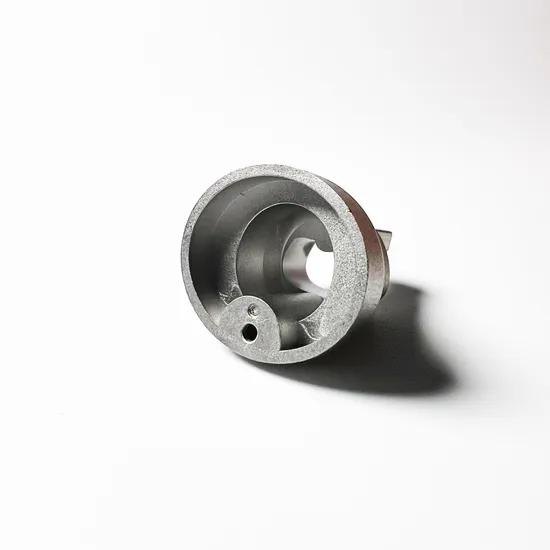
Complex 3D geometries in one injection shot — near-net-shape reduces CNC work.
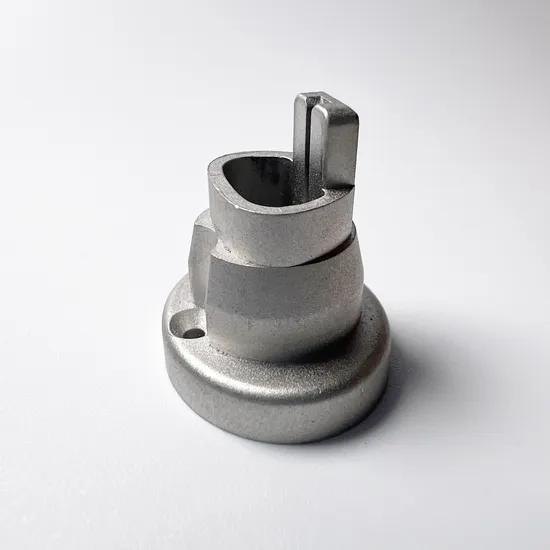
Dense, consistent structures meeting high-strength and high-consistency requirements.
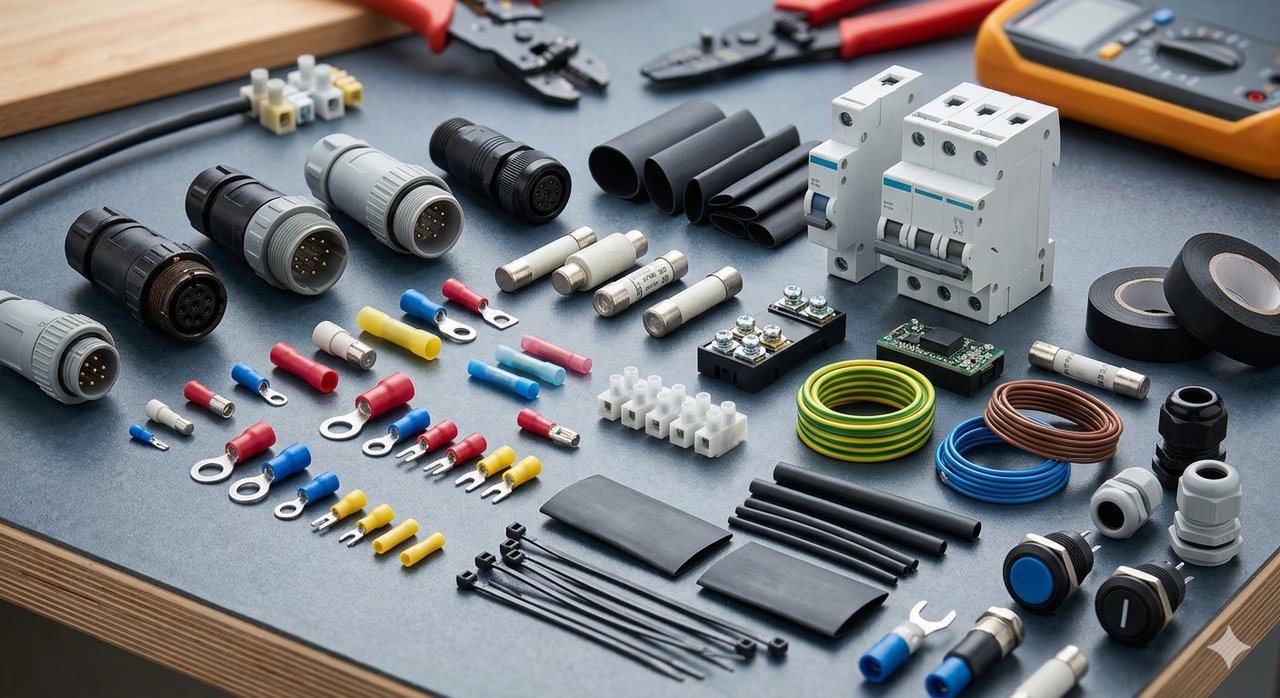
CNC cutting tools, tool holders, cemented carbide inserts, precision hardware and industrial accessories for machining, mold-making and automation industries.
Steel and copper trading with long-term partnerships with major mills — stable supply for power equipment, transformers, industrial manufacturing and machining.
Nano-titanium-dioxide (TiO₂) photocatalytic material R&D for air purification, self-cleaning surfaces and environmental functional materials — material solutions and co-development with manufacturers.
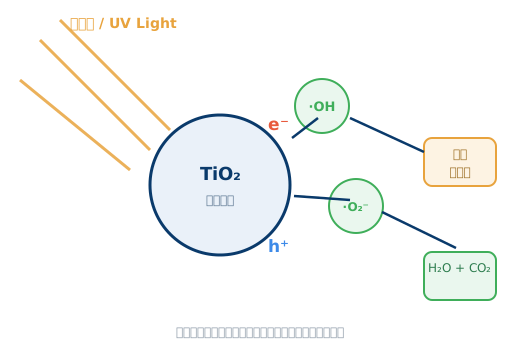
Titanium dioxide photocatalysis is a well-established research direction in materials science: under light excitation, electron-hole pairs form on the material surface, generating highly oxidative reactive oxygen species (e.g., hydroxyl and superoxide radicals) that oxidize organic pollutants into water and CO₂. Application directions include surface cleaning, deep cleaning, odor removal, protection, dirt isolation and everyday environment care.
We have in-house capability to develop, prepare and validate nano-TiO₂ photocatalytic materials and can supply photocatalytic material products and technical support; our photocatalytic functional materials were applied in a high-speed rail cabin air purification project. This is fundamental material research; specific applications depend on product design and applicable regulations. We welcome manufacturers for application cooperation.
Long-term preparation, modification, characterization and process validation of nano-TiO₂ photocatalytic materials — from powder to coating development capability.
Our photocatalytic functional materials were applied to improve air quality in high-speed rail cabins — material technology for public-space environment enhancement.
Photocatalytic material solutions and technical cooperation for environmental, purification, building materials, textile and home appliance industries — joint development welcome.
Send us your drawings or requirements — our engineers will reply as soon as possible with material selection and cost evaluation.
